

The Race Face Library is your foundation for understanding the sport beyond the track. From the history of NASCAR to the business of racing, driver development, sponsorship, and real-world strategy—this is where knowledge meets performance. Everything inside is designed to help you think smarter, race better, and move up the ladder with purpose.

Official NASCAR History
Why this matters:
This is the foundation. It covers: https://www.nascar.com/nascar-history
- 1947 founding meeting in Daytona Beach utm_source=chatgpt.com)
- First race in 1948
- First “Strictly Stock” race in 1949 (start of Cup Series)
- Daytona 500 history
Legendary Drivers & Teams
Why This Module Matters
If you want to become a professional driver, you need to study the ones who already did it at the highest level.
Not just how they drove…
But how they:
- Handled pressure
- Built relationships
- Represented sponsors
- Carried themselves on and off the track
The best drivers didn’t just win races —
they built legacies.
🏁 The Drivers Who Built NASCAR
Richard Petty
Known as “The King,” Petty set the standard for greatness:
- 200 career wins
- 7 Cup Series Championships
But what made him legendary wasn’t just winning —
it was how he treated fans, media, and sponsors.
👉 Lesson: Your brand matters just as much as your results.
Dale Earnhardt
“The Intimidator” was known for toughness, intensity, and will to win:
- 7 Championships
- One of the most feared competitors in history
He raced hard—but earned respect.
👉 Lesson: You can be aggressive AND respected if you carry yourself the right way.
Jeff Gordon
Gordon helped take NASCAR mainstream:
- 4 Championships
- Brought a new level of professionalism and media presence
He changed how drivers approached:
- Fitness
- Sponsorship
- Public image
👉 Lesson: The modern driver is an athlete AND a brand.
Jimmie Johnson
One of the most dominant drivers ever:
- 7 Championships
- 5 in a row (2006–2010)
Known for consistency, discipline, and composure.
👉 Lesson: Winning isn’t luck — it’s preparation and consistency over time.
Legendary Teams That Changed the Sport
Petty Enterprises
One of the original powerhouse teams in NASCAR history.
👉 Built on family, loyalty, and long-term success.
Richard Childress Racing
Home of Dale Earnhardt’s championships.
👉 Known for grit, toughness, and blue-collar mentality.
Hendrick Motorsports
The gold standard of modern NASCAR success:
- Multiple championships
- Elite driver development
- Strong sponsor relationships
👉 Lesson: The best teams operate like businesses, not just race teams.
Joe Gibbs Racing
Founded by a Super Bowl-winning coach, this team brought structure and leadership into racing.
👉 Lesson: Leadership and culture drive performance.
📺 How the Sport Grew Through These Legends
These drivers and teams didn’t just win races —
they helped NASCAR grow into a national sport.
Because of them:
- Sponsorship became a major part of racing
- Media coverage expanded
- Fans connected with personalities, not just cars
Evolution of NASCAR Race Cars
Why This Module Matters
The race car you drive today didn’t just appear overnight.
It’s the result of:
- Decades of innovation
- Safety improvements
- Engineering breakthroughs
- Lessons learned—sometimes the hard way
If you want to be a complete driver, you need to understand:
👉 What you’re sitting in
👉 How it works
👉 And why it’s built the way it is
🏁 Where It All Started (1940s–1950s)
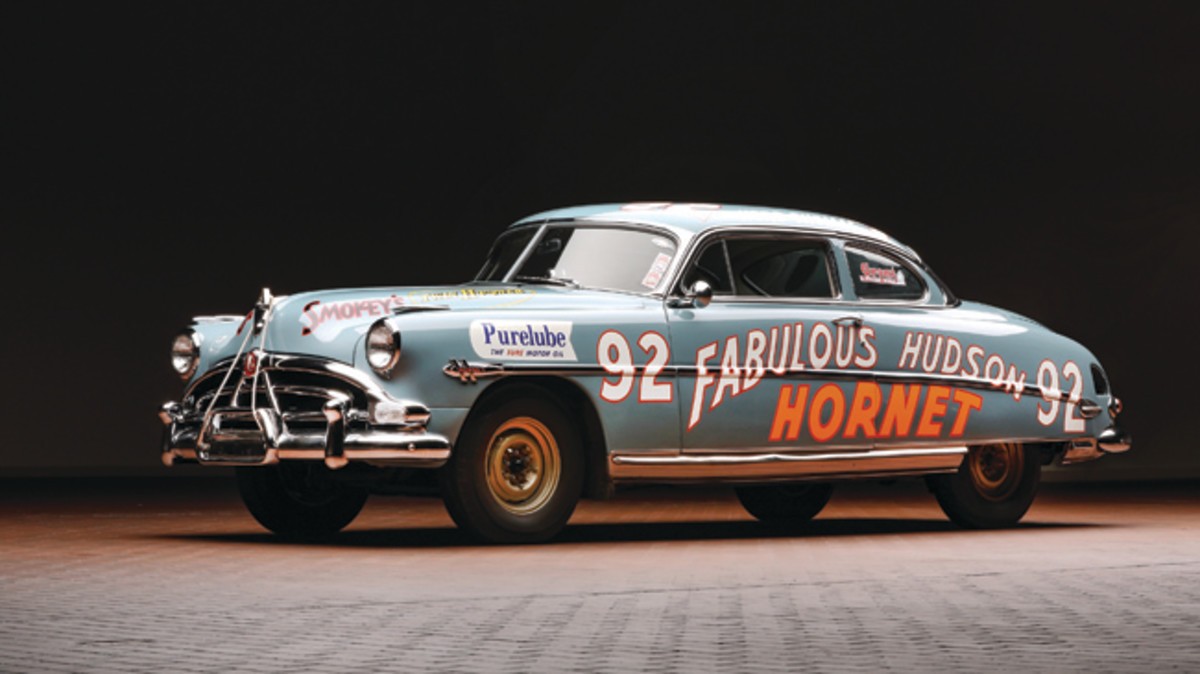

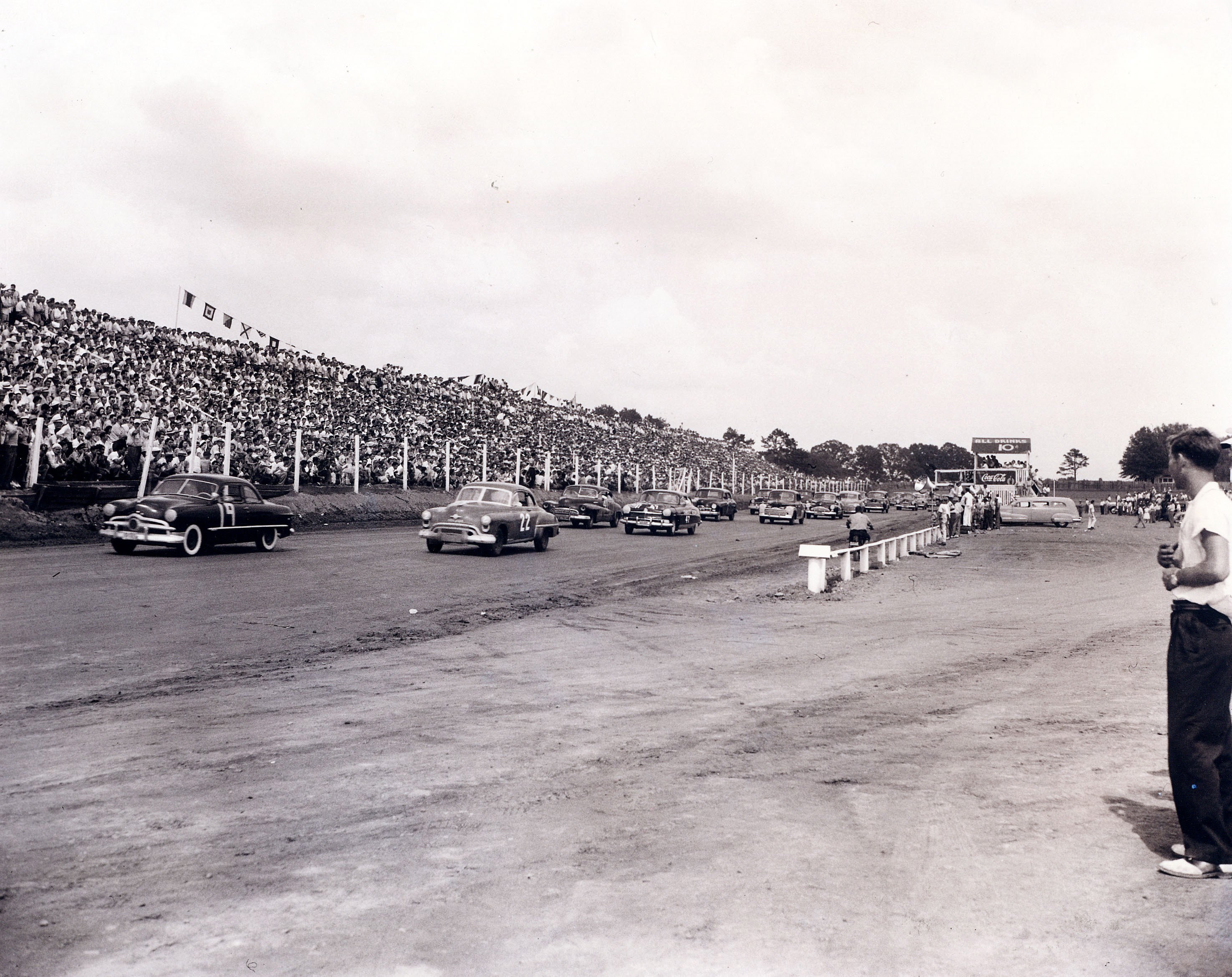
In the beginning, NASCAR cars were exactly what the name says:
👉 Stock Cars
- Built straight from the factory
- Minimal modifications
- Same cars people drove on the street
Drivers raced:
- On dirt tracks
- With very little safety equipment
- Often relying more on feel than engineering
👉 Lesson: The roots of NASCAR are raw, tough, and driver-focused.
🔧 The Transition Era (1960s–1980s)


As competition increased, teams started pushing the limits.
Changes included:
- Heavily modified bodies
- More powerful engines
- Early aerodynamic experimentation (think winged cars)
- Development of tube chassis instead of factory frames
👉 Cars started to look stock—but weren’t anymore
👉 Lesson: Innovation creates advantage—but also requires control and rules.
🛡 Safety & Standardization Era (1990s–2010s)


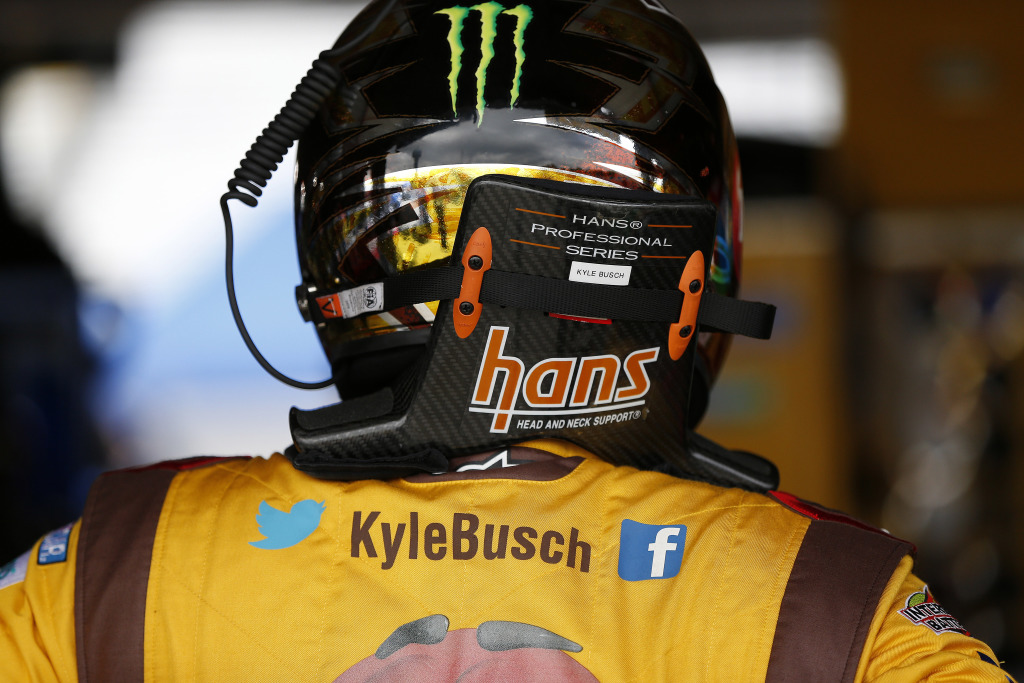
This era changed everything—especially after major on-track incidents.
Key advancements:
- Stronger roll cages
- Head and neck restraints (HANS device)
- Safer fuel systems
- Introduction of the Car of Tomorrow (CoT)
NASCAR also increased:
- Rule enforcement
- Car templates for equality
👉 Lesson: Safety and fairness became just as important as speed.
🚀 The Next Gen Car (2022–Present)
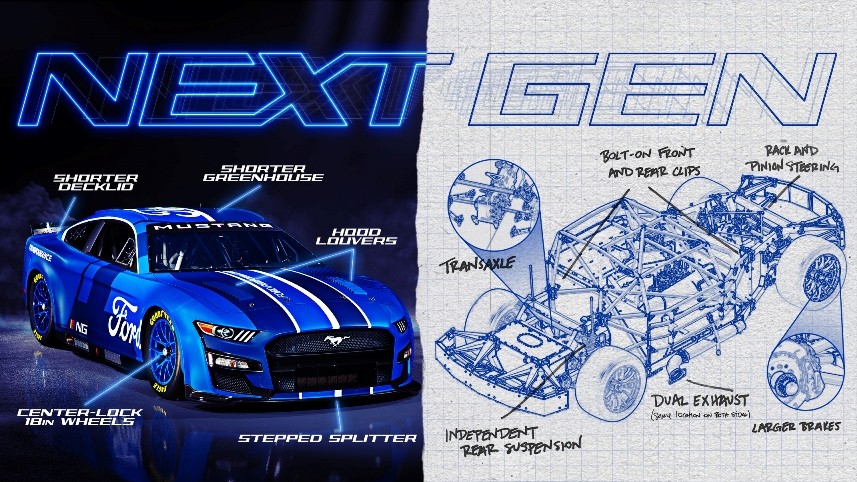
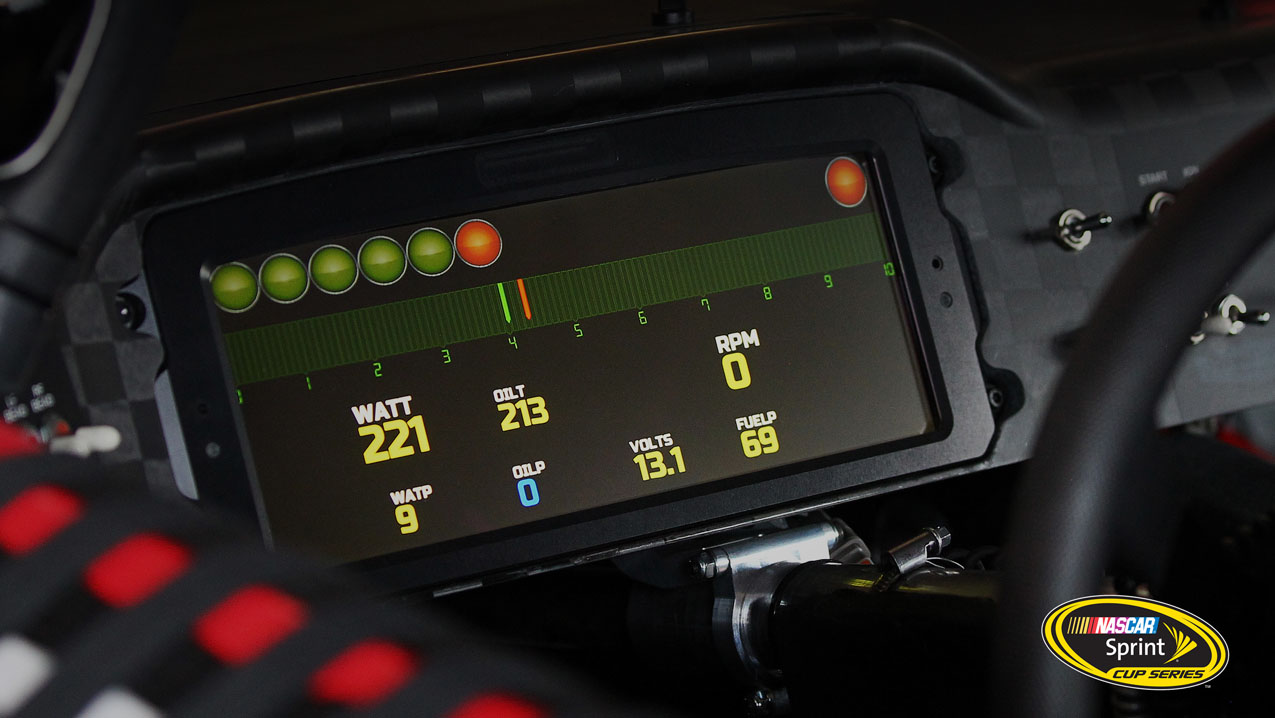

Today’s NASCAR car is a completely different machine.
Major features:
- Independent rear suspension
- Sequential gearbox
- Single lug wheels
- Advanced aerodynamics
- Digital data and telemetry
Teams now rely heavily on:
- Engineers
- Simulation
- Data analysis
👉 Lesson: Today’s driver must understand BOTH driving and technology.
Full NASCAR Overview
Why This Module Matters
If you don’t understand how NASCAR works…
you’re guessing your way through your career.
The drivers who make it:
- Understand the ladder
- Understand the business
- Understand how opportunities are created
👉 This module is about seeing the big picture
🏎 What is NASCAR?
NASCAR (National Association for Stock Car Auto Racing) is the largest stock car racing organization in the United States and one of the most powerful motorsports platforms in the world.
Founded in 1947, NASCAR has grown into:
- A national touring sport
- A major media product
- A multi-million dollar sponsorship ecosystem
👉 It is not just racing—it is entertainment + business + branding
🧭 The NASCAR Ladder System
To build a career, you need to understand the path.
🟢 Entry Level (Grassroots)
- Local short tracks
- Pro Trucks, Pro Late Models, Legends, etc.
👉 This is where YOU are right now.
🟡 Development Series
- NASCAR Craftsman Truck Series
- ARCA Menards Series
👉 Focus:
- Learning racecraft at higher speeds
- Getting noticed by teams
- Building your brand
🔵 Mid-Tier National Level
- NASCAR Xfinity Series (now often branded with title sponsors like O’Reilly in 2026)
👉 This is where:
- Sponsors expect professionalism
- Media expectations increase
- Pressure becomes real
🔴 Top Level
- NASCAR Cup Series
👉 The highest level of stock car racing:
- Elite drivers
- Major sponsors
- National TV coverage
🏆 How the Championship Works
NASCAR uses a Playoff System to decide the champion.
Key Concepts:
- Regular season builds points
- Top drivers advance to playoffs
- Eliminations happen round by round
- Final 4 compete for the championship
👉 Lesson: Consistency + timing = championships
The Business Side of Getting to NASCAR
Let’s Start Here: What Business Are We Really In?
Before we talk about money, sponsors, or moving up…
You need to understand one thing:
👉 We are in the entertainment business.
People choose to:
- Buy a ticket
- Turn on the TV
- Follow a driver on social media
Instead of doing something else with their time.
That means:
👉 You are not just a driver
👉 You are part of the show
🎟 What Makes Racing Different
Here’s what makes motorsports special compared to other sports:
Fans can:
- Walk through the pits
- Meet drivers
- Get autographs
- Take pictures
- Have real conversations
Try doing that in the NFL or NBA.
👉 It’s rare.
But in racing?
👉 It’s expected.
💡 Why This Matters
This access creates something powerful:
👉 Connection
And connection is what drives:
- Fan loyalty
- Sponsor value
- Long-term careers
The drivers who understand this:
- Engage with fans
- Build relationships
- Create experiences
👉 Those are the drivers sponsors want.
💰 The Reality: Racing is Expensive
Now let’s talk about the part no one tells you early enough.
Racing is not just expensive…
👉 It is strategically expensive
🟢 Grassroots Racing
(Pro Late Models, Super Late Models, Pro Trucks)
- $50,000 – $350,000 per season
🟠 NASCAR Craftsman Truck Series
- $1.5 million – $3.5 million per season
🔵 NASCAR Xfinity Series (O’Reilly era)
- $2.5 million – $5 million per season
🔴 NASCAR Cup Series
- $10 million – $25+ million per season
👉 That’s the reality of the ladder you’re trying to climb.
🏁 Where the Money Comes From
There are three ways racing gets funded:
1. Sponsorship
👉 The #1 driver of opportunity
Sponsors invest for:
- Exposure
- Engagement
- Growth
2. Family Investment
👉 Early-stage support
This gets you started—but it’s not the long-term plan.
3. Team & Industry Support
Top teams like:
- Hendrick Motorsports
- Joe Gibbs Racing
Work with drivers who bring:
- Performance
- Marketability
- Funding
🏎 The Biggest Decision: Own vs Arrive & Drive
Every driver faces this decision.
🔧 Owning Your Own Equipment
Sounds great—but here’s the reality:
- You won’t stay in one series long
- You’ll have to sell your car when you move up
- You’ll take a loss
👉 Race cars are depreciating assets
They will NEVER be worth what you paid for them.
🏁 Arrive & Drive Programs
This is how most drivers should operate.
👉 You are renting a professional car and team
- You show up
- The car is ready
- The crew is in place
Just like at the NASCAR level.
💡 The Advantage Most Drivers Miss
Arrive & Drive programs come with:
- Experience
- Setup knowledge
- Established systems
👉 So when you move into a new series…
The team already knows what they’re doing.
That shortens your learning curve dramatically.
🔁 The Big Realization
Here’s what you need to understand:
👉 NASCAR is Arrive & Drive at the highest level
You are not buying a Cup car.
You are:
- Bringing value
- Securing funding
- Partnering with a team
📈 What You Should Be Investing In
Instead of tying money up in equipment…
Invest in:
- Your brand
- Sponsor relationships
- Content and exposure
- Fan engagement
👉 These are the assets that actually grow your career.
🚨 Real Talk: Why Drivers Don’t Make It
Most drivers:
- Focus only on driving
- Ignore the business side
- Don’t build value
And eventually…
👉 The money runs out
🎯 The Drivers Who Move Up
The drivers who succeed:
- Understand they are in entertainment
- Build relationships with fans
- Create value for sponsors
- Make smart financial decisions
- Focus on opportunity—not ownership
🏁 Final Takeaway
If you remember one thing, remember this:
👉 You are not just racing cars
You are building a business around yourself
And the drivers who understand that…
👉 Are the ones who make it to NASCAR
—and stay there.
“How to Turn a Race Weekend Into Sponsor Value”
Why This Module Matters
Most drivers think:
👉 “If I run well, sponsors will come.”
That’s not how it works.
Sponsors don’t invest in results alone—they invest in:
- Exposure
- Engagement
- Content
- Connection
👉 A race weekend is not just competition…
👉 It’s a marketing opportunity
🔁 The Mindset Shift
❌ Old Thinking:
“I’m going to the track to race”
✅ New Thinking:
“I’m going to the track to create value”
🏁 The 3 Phases of Sponsor Value
Every race weekend has three opportunities:
🔵 1. BEFORE THE RACE (Build Anticipation)
This is where you start telling the story.
What to Do:
- Announce the race weekend
- Tag your sponsors
- Share where and when to watch
- Show preparation (car, gear, travel)
Example Content:
- “Race Week! Heading to [Track Name] this weekend…”
- “Huge thank you to my partners…”
- “Catch us live on…”
👉 Goal: Get people excited BEFORE you ever hit the track
🟠 2. DURING THE RACE (Create Engagement)
This is where most drivers miss the opportunity.
Even while racing, you can create value.
What to Do:
- Post behind-the-scenes content
- Share pit road moments
- Show interaction with fans
- Capture sponsor visibility
Key Opportunities:
- Photos with fans
- Sponsor logos clearly visible
- Short video clips (even 10–15 seconds)
👉 Goal: Show that your sponsors are part of the action
🔴 3. AFTER THE RACE (Tell the Story)
This is the MOST important phase.
What to Do:
- Post race results
- Thank sponsors (by name)
- Share what you learned
- Show emotion and authenticity
Example:
- “P5 tonight at [Track Name]. Learned a lot…”
- “Huge thank you to [Sponsor Name] for making this possible…”
👉 Goal: Turn the race into a story people care about
📸 Content = Currency
Here’s the truth:
👉 Content is what sponsors actually receive
Not just:
- Finishing position
- Lap times
But:
- Photos
- Videos
- Mentions
- Engagement
💡 The 5 Things You Should Capture Every Weekend
Make this a habit:
- Car photos (clean + on track)
- You in uniform (branding visible)
- Fan interactions
- Behind-the-scenes moments
- Victory lane / post-race shots (win or lose)
👉 No content = no value
🎤 Don’t Forget This (Huge Miss by Drivers)
You need to talk about your sponsors naturally
Not forced. Not robotic.
👉 Example:
Instead of:
“Thanks to my sponsors…”
Say:
“Couldn’t do this without [Sponsor Name], they’ve been a huge part of this program…”
👉 That sounds real—and sponsors notice that.
📈 The Simple Formula
Here’s how value is created:
Exposure + Engagement + Consistency = Sponsor Value
🚨 Real Talk: Why Most Drivers Fail Here
They:
- Only post results
- Forget to tag sponsors
- Don’t create content
- Don’t engage with fans
👉 And then wonder why sponsors don’t stay
🧠 What Sponsors Are Thinking
After every race weekend, sponsors are asking:
- Did we get exposure?
- Were we mentioned?
- Did people engage?
- Did this feel worth it?
👉 You need to answer “YES” every weekend
🎯 What You Should Learn From This Module
After this, you should understand:
- How to create value before, during, and after a race
- Why content is critical
- How to promote sponsors the right way
- How to turn one race into multiple opportunities
🧩 Quick Knowledge Check
- What are the three phases of a race weekend?
- Why is post-race content the most important?
- What are five things you should capture every weekend?
- What are sponsors actually looking for?
🎯 Action Step (Do This Next Race)
Before your next race weekend, plan this out:
✔ 1 Post BEFORE the race
✔ 2–3 pieces of content DURING the race
✔ 1 strong post AFTER the race
And make sure:
👉 Every post includes your sponsors
🏁 Final Takeaway
If you do this right…
One race weekend can turn into:
- 5–10 pieces of content
- Multiple sponsor impressions
- New fan connections
- Future opportunities
🔥 Straight Talk from Race Face
You don’t need more races…
👉 You need to do MORE with the races you already have
Because at the end of the day:
👉 The drivers who create value…
are the drivers who get funded.